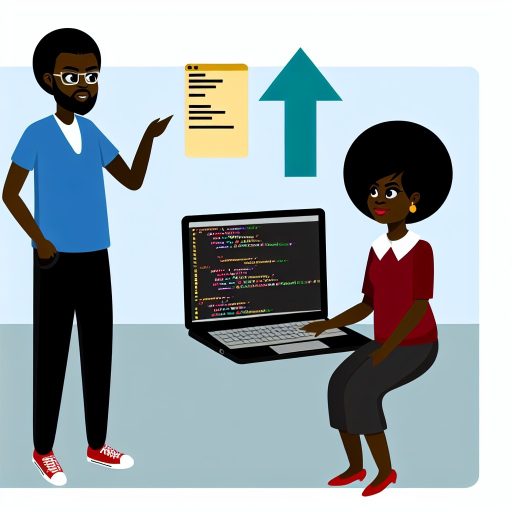




Introduction to Open-Source Projects and Their Role in the Tech Ecosystem
What Are Open-Source Projects?
Open-source projects consist of software with source code available to the public.
Anyone can view, modify, and distribute the code freely under specific licenses.
Consequently, open-source projects encourage collaboration and innovation worldwide.
Developers from diverse backgrounds contribute their skills to improve these projects.
Importance of Open-Source Projects in Technology
Open-source projects drive much of today’s technological advancements.
They provide foundational tools and frameworks used in numerous applications.
For instance, companies like BlueHarbor Solutions leverage open-source for faster development.
Moreover, these projects promote transparency and quality through community scrutiny.
Community and Collaboration
The open-source ecosystem thrives on a vibrant community of contributors.
This community includes individual developers, startups, and tech giants alike.
Consequently, contributors share ideas, solve problems, and build lasting relationships.
Platforms such as CodeNest and DevForge enable seamless collaboration across time zones.
Opportunities for Learning and Growth
Participating in open-source projects helps developers learn new skills actively.
Beginners can study well-written code and receive feedback from experienced peers.
By contributing, they gain hands-on experience that surpasses traditional tutorials.
Unlock Your Unique Tech Path
Get expert tech consulting tailored just for you. Receive personalized advice and solutions within 1-3 business days.
Get StartedIn addition, contributors often gain recognition in the tech community for their efforts.
How Contributing to Open-Source Projects Connects You with Like-Minded Developers
Building Meaningful Relationships Through Collaboration
Contributing to open-source projects encourages collaboration with skilled developers worldwide.
Developers like Sofia Ramirez and Elijah Chen often work together on innovative software solutions.
This interaction creates opportunities to form genuine and lasting professional relationships.
Moreover, regular collaboration helps you understand different coding styles and problem-solving approaches.
Consequently, you learn new techniques and improve your software development skills significantly.
Joining Communities That Share Your Passion
Open-source projects attract developers who share your interests and technical focus areas.
For example, the FreeWave project draws contributors passionate about cloud infrastructure and networking.
Interactions within these communities foster meaningful discussions on emerging technologies and best practices.
In addition, participating in forums and chat channels builds rapport between contributors like Arjun Patel and Linnea Kovacs.
As a result, you expand your professional network organically while enhancing your expertise.
Visibility and Recognition in the Developer Ecosystem
Regular contributions showcase your skills to peers and recruiters in your industry.
Companies such as NebulaSoft actively monitor open-source contributions when hiring engineers.
When you collaborate with developers like Marissa Zhou, your reputation grows across the tech community.
Unlock Premium Source Code for Your Projects!
Accelerate your development with our expert-crafted, reusable source code. Perfect for e-commerce, blogs, and portfolios. Study, modify, and build like a pro. Exclusive to Nigeria Coding Academy!
Get CodeFurthermore, positive feedback and endorsements motivate you to continue making valuable contributions.
Thus, open-source work serves as a powerful networking tool that boosts career opportunities.
Engaging in Real-Time Problem Solving and Feedback
Open-source projects provide a platform to solve complex problems alongside experts in real time.
Contributors like Jamal Thompson often review each other’s code to improve quality collaboratively.
This process encourages open communication and learning through constructive criticism.
Moreover, it builds trust and mutual respect among developers who frequently exchange ideas.
Therefore, you establish strong professional bonds founded on shared knowledge and experience.
Access to Diverse Perspectives and Innovative Ideas
You connect with developers from various cultural and professional backgrounds through open-source work.
For instance, open-source community members include data scientists, security analysts, and front-end specialists.
This diversity broadens your understanding of different methodologies and problem domains.
Additionally, it sparks creativity and innovation in collaborative project development.
Ultimately, such exposure expands your network to include multifaceted talents and industry influencers.
Building Credibility and Reputation Through Visible Contributions
Establishing Trust in the Developer Community
Contributing to open-source projects showcases your skills to a broad audience.
This visibility helps build trust among peers and industry professionals.
Moreover, public contributions provide concrete evidence of your expertise.
As a result, others recognize your commitment and reliability.
For example, Clara Montoya’s work on DevStream earned respect in the technology community.
Creating a Strong Professional Portfolio
Visible contributions act as a portfolio of your best work.
Employers and collaborators often review these when assessing candidates.
Consequently, contributions on GitHub or GitLab demonstrate your problem-solving abilities.
Furthermore, they highlight your capacity to collaborate effectively.
For instance, Leo Fischer secured a software role by showcasing his open-source projects.
Enhancing Reputation Through Consistency and Quality
Regular, quality contributions reflect dedication and professionalism.
They attract attention from influential community members and organizations.
For example, Reliable Solutions Inc. noticed Anika Desai’s consistent bug fixes and offered her a consulting opportunity.
Additionally, well-documented and thoughtful code enhances your reputation further.
Therefore, maintaining high standards in your contributions is essential.
Leveraging Contributions to Build Meaningful Connections
Open-source projects foster direct interaction with other developers.
These connections lead to mentorship, collaborations, and job opportunities.
Moreover, contributing to popular projects increases your exposure globally.
For example, Miles Abbott connected with peers worldwide while contributing to CryptoChain.
Ultimately, a strong reputation opens doors to new professional relationships.
You Might Also Like: The Importance of Real-World Projects in Learning to Code
Opportunities for Mentorship and Learning from Experienced Professionals
Connecting with Skilled Developers
Contributing to open-source projects allows you to connect directly with skilled developers worldwide.
This connection creates chances for mentorship and skills growth.
Experienced professionals often notice dedicated contributors and offer guidance.
Such relationships help you gain practical knowledge faster than solo learning.
Moreover, mentors provide valuable feedback that sharpens your coding abilities.
Gaining Insights Through Code Reviews
Open-source communities frequently engage in thorough code reviews.
These reviews provide detailed critiques that improve your coding style and logic.
Experienced reviewers like Alice Martinez or Kevin Liu share best practices openly.
Therefore, you learn industry standards and improve collaboration skills simultaneously.
Additionally, this transparent environment fosters continuous learning and adaptation.
Learning from Real-World Project Challenges
Open-source projects expose you to real-world development challenges.
This hands-on experience complements theoretical knowledge effectively.
Contributors like Sofia Daniels or Raj Patel demonstrate problem-solving techniques through their work.
Consequently, you develop critical thinking skills crucial for professional growth.
Furthermore, tackling such challenges alongside pros boosts your confidence greatly.
Building a Network of Supportive Professionals
Active participation helps you build a network of supportive industry professionals.
This network, including mentors like Elena Vogt or Marcus Finch, assists your career advancement.
Networking leads to opportunities such as job referrals, collaborations, and partnerships.
Besides technical advice, mentors provide guidance on soft skills and career decisions.
Ultimately, open-source communities foster a supportive environment for sustained professional development.
See Related Content: The Role of Feedback in Improving Programming Projects
Expanding Professional Networks Beyond Local or Regional Boundaries
Connecting with a Global Community
Open-source projects attract developers from around the world.
Therefore, you can collaborate with experts in diverse locations.
This exposure introduces you to a wide range of skills and cultures.
For example, Maria Chen from Singapore recently partnered with Leo Martinez in Spain.
Together, they improved an open-source library for data visualization.
Such connections would be difficult to achieve locally or regionally.
Leveraging Online Platforms for Networking
Many open-source projects use platforms like GitHub, GitLab, and Bitbucket.
These platforms provide tools for easy communication and collaboration.
Consequently, interactions happen in real-time, despite geographic distances.
Additionally, discussion forums and chat rooms enrich networking opportunities.
Developers like Anika Patel from Canada actively participate in these spaces.
She recently found a job opportunity by engaging with contributors worldwide.
Building a Diverse Professional Network
Contributing to open-source expands your network beyond familiar circles.
This diversity leads to fresh perspectives and innovative ideas.
For instance, engineers from startups and large enterprises often collaborate openly.
As a result, you gain insights from different industries and work styles.
Furthermore, you increase your chances of finding mentors and collaborators.
Opportunities through Global Recognition
Open-source contributions are publicly visible and valued internationally.
Employers and peers worldwide recognize your skills through your projects.
This recognition can open doors for remote work and consulting roles.
For example, developer Rashid Al-Amiri secured a contract with a Berlin-based firm.
His open-source work on cloud infrastructure impressed the hiring team.
Strategies to Maximize Networking Benefits
- Engage actively by reviewing and commenting on pull requests.
- Attend virtual meetups and webinars organized by open-source communities.
- Contribute consistently to maintain visibility among peers.
- Document your contributions and share your learning experiences.
- Reach out personally to collaborators for guidance and knowledge exchange.
By following these strategies, you can build meaningful connections worldwide.
Learn More: Innovative Projects Nigerian Coders Can Build to Impress Employers
Demonstrating Skills to Potential Employers Through Public Project Involvement
Showcasing Real-World Experience
Contributing to open-source projects allows developers to showcase real-world skills effectively.
Employers value candidates who demonstrate experience beyond traditional resumes.
By working on public projects, you provide tangible proof of your coding abilities.
Moreover, recruiters often review GitHub profiles to assess a candidate’s contributions.
Therefore, active participation in open-source communities increases your visibility significantly.
Building a Credible Professional Portfolio
A well-maintained open-source portfolio reflects your commitment and expertise.
Recruiters appreciate candidates who consistently update and improve their public projects.
For instance, software engineer Maria Lopez enhanced her portfolio by leading a security tool development.
This project caught the attention of FusionTech Solutions’ hiring team last year.
Consequently, her public contributions led to multiple interview opportunities.
Demonstrating Collaboration and Communication
Open-source projects require teamwork with diverse contributors worldwide.
Active involvement helps you develop strong collaboration and communication skills.
Hiring managers at ByteSphere Technologies seek candidates comfortable working in remote teams.
Therefore, engaging in code reviews and discussions on platforms like GitLab showcases your ability to collaborate.
Additionally, clear and respectful communication in project forums reflects professionalism.
Highlighting Problem-Solving and Initiative
Employers look for developers who proactively solve problems in challenging situations.
Open-source projects offer countless opportunities to identify bugs and propose fixes.
For example, Daniel Kim contributed a major performance improvement to the CacheMaster library.
This initiative impressed the recruitment team at QuantumSoft Inc., leading to a job offer.
Thus, your public problem-solving demonstrates both skill and motivation to potential employers.
Leveraging Recommendations and Endorsements
Many platforms allow contributors to receive endorsements from project maintainers.
Positive feedback from respected developers strengthens your professional credibility.
Olivia Nguyen gained several endorsements for her work on the open-source analytics dashboard.
Her endorsements played a key role during interviews with Meridian Analytics Corp.
Therefore, building relationships in open-source communities can directly benefit your job search.
Gain More Insights: The Key Elements of an Effective Programming Portfolio

Participating in Collaborative Problem-Solving Fosters Meaningful Relationships
Building Connections Through Shared Challenges
Collaborating on open-source projects creates opportunities to connect with diverse professionals.
Team members often share unique perspectives and expertise to solve complex issues.
Because of this, trust and respect naturally develop among contributors.
For example, developers at Quantum Byte Solutions joined forces to improve a security module.
Through continuous collaboration, they cultivated strong professional bonds.
Effective Communication Enhances Networking
Open-source projects require clear and consistent communication between participants.
This communication helps team members understand each other’s strengths and working styles.
Moreover, active discussions encourage knowledge exchange and skill development.
Consequently, contributors like Maya Ortiz and Liam Chen often become valuable contacts for future projects.
Long-Term Collaboration Creates Career Opportunities
Sustained collaboration on projects often results in lasting professional relationships.
These connections can lead to job offers, mentorship, or invitations to other innovative projects.
For instance, when Aria Patel worked with NovaTech Developers, she later received a consulting role.
Such examples show how collaborative problem-solving directly impacts career growth.
Community Support Strengthens Professional Networks
Open-source communities often support each other beyond individual projects.
Participants share job openings, learning resources, and industry insights.
This consistent support builds a network of reliable allies and collaborators.
Therefore, engaging actively in these communities benefits both personal and professional development.
Skills Development Encourages Meaningful Interaction
Collaborative problem-solving accelerates skill acquisition and refinement.
When contributors learn together, they form deeper, more meaningful relationships.
For example, data scientist Carlos Mendes learned advanced techniques alongside other analysts.
Their shared learning journey strengthened their professional ties and trust.
Approaches to Maximize Networking While Collaborating
- Participate actively in project discussions and code reviews.
- Offer constructive feedback and acknowledge others’ contributions.
- Engage with project forums, chat channels, and virtual meetups.
- Be consistent and reliable to build a positive reputation.
- Share your achievements and encourage teammates’ successes.
Attending Open-Source Community Events and Meetups to Strengthen Connections
Engaging in Open-Source Communities
Open-source community events bring together passionate developers and contributors.
They create an excellent chance to meet like-minded professionals in technology.
Moreover, these events encourage collaboration and shared learning among participants.
Attending regularly helps foster deeper relationships beyond just online interactions.
Therefore, developers can build lasting friendships and professional contacts effectively.
Types of Open-Source Events to Consider
Developers can attend various types of gatherings to maximize networking opportunities.
- Conferences focused specifically on popular open-source projects or ecosystems.
- Local meetups hosted by user groups such as Rustaceans or Kubernetes enthusiasts.
- Hackathons that promote hands-on contribution and team collaboration.
- Workshops and panel discussions led by influential community members.
Each type offers unique chances to connect and showcase skill sets to peers.
Preparing to Make Meaningful Connections
Before attending, research the event’s agenda and key speakers thoroughly.
Bring relevant questions and topics that spark insightful discussions.
Additionally, prepare a concise introduction detailing your project contributions and interests.
This preparation helps initiate conversations and leaves a memorable impression.
Carrying business cards or digital profiles facilitates easy follow-up after meetings.
Maximizing Networking Benefits During Events
Actively participate in Q&A sessions and group activities to increase visibility.
Introduce yourself to speakers and moderators during breaks or social hours.
Furthermore, volunteer to help organize or facilitate sessions whenever possible.
This involvement demonstrates commitment and helps build credibility.
Listening carefully and offering thoughtful feedback fosters mutual respect and trust.
Strategies for Maintaining Connections After Events
Follow up promptly with new contacts via email or social media platforms.
Share useful resources or insights discussed during the event to add value.
Consider joining online forums or chat groups related to the community.
Regular engagement strengthens relationships and keeps you informed about opportunities.
Ultimately, consistent interaction turns casual acquaintances into collaborators or mentors.
Leveraging Open-Source Contributions to Gain Invitations to Exclusive Tech Circles
Building Credibility Through Meaningful Contributions
Contributing to open-source projects showcases your skills to the broader tech community.
For example, when Sophia Martinez improved the performance of the Orion web framework, she gained recognition.
This visibility often leads to invitations to join specialized developer forums and workshops.
Moreover, consistent contributions demonstrate dedication and problem-solving abilities.
Consequently, major tech companies like Nimbus Software and Solstice Labs notice your potential.
Establishing Relationships with Influential Developers
Open-source projects connect you with expert developers worldwide.
For instance, Carlos Vega collaborated on the Helix AI project, forming strong professional bonds.
These connections often extend beyond code reviews to mentorship and exclusive tech talks.
Additionally, joining discussions in project repositories can open doors to private Slack or Discord channels.
Therefore, active participation increases your chances of receiving exclusive invitations.
Accessing Exclusive Events and Communities
Maintainers often invite their top contributors to closed beta programs or hackathons.
Last year, Amina Patel was invited to a Rustaceans summit after her patches in the Servo engine.
Such events provide invaluable networking opportunities with industry leaders.
Furthermore, some tech incubators scout talent through open-source visibility.
As a result, open-source contributors frequently find themselves in elite innovation hubs.
Strategies to Maximize Networking Benefits from Open-Source Work
- Choose projects aligned with your career goals and industry interests.
- Engage respectfully in issue discussions and community forums.
- Document your contributions clearly to highlight your expertise.
- Follow up on your pull requests and maintain active communication.
- Attend meetups or virtual events hosted by the projects you contribute to.
By applying these strategies, you increase your visibility to influential tech circles.
Long-term Career Growth Benefits from Sustained Open-Source Engagement
Ongoing Skill Development
Contributing consistently to open-source projects sharpens your technical abilities.
Each contribution challenges you to learn new tools and frameworks actively.
Moreover, working on diverse projects broadens your problem-solving skills effectively.
Consequently, you develop expertise that remains relevant in the fast-changing tech industry.
Expanding Professional Connections
Sustained involvement builds strong relationships with industry experts and peers.
These connections often lead to mentorship and collaboration opportunities over time.
Furthermore, consistent contributions increase your visibility within influential communities.
Therefore, your network grows with professionals who can support your career advancement.
Building a Credible Portfolio
Long-term projects provide tangible proof of your dedication and skillset.
Employers and recruiters frequently review contributions as evidence of real-world experience.
Additionally, your open-source work demonstrates your ability to collaborate and deliver solutions.
Thus, you position yourself as a reliable candidate for competitive roles and projects.
Recognition That Opens New Professional Opportunities
Regular contributions increase your chances of becoming a recognized community member.
This recognition often results in invitations to conferences, talks, or specialized groups.
Also, companies notice committed contributors and may offer job or contract proposals directly.
Sustained engagement creates a pathway to new professional opportunities.
Additional Resources
Open Source Security Foundation – Linux Foundation Projects
1000+ Beginner Programming Projects (x-post /r/programming) : r …