




Introduction to AI-Driven Educational Platforms
Defining AI-Driven Educational Platforms
AI-driven educational platforms use artificial intelligence to enhance learning experiences.
They tailor educational content to meet each student’s unique needs.
Moreover, these platforms adapt in real time to optimize engagement and retention.
Significance in Modern Education
AI-powered platforms transform traditional learning methods.
They provide personalized instruction beyond standard classroom capabilities.
Consequently, they help bridge educational gaps in diverse learning environments.
Additionally, such platforms support teachers by automating administrative tasks.
Impact on Learners and Educators
Students receive individualized feedback that accelerates their progress.
Educators gain insights through data analytics to improve teaching strategies.
AI facilitates a collaborative and efficient educational ecosystem.
Future Prospects of AI in Education
Continued advancements promise immersive and interactive learning experiences.
Innovators like Lumina Learning Solutions and NovaEdu Labs lead platform development.
These companies focus on harnessing AI to democratize education worldwide.
AI-driven platforms aim to foster lifelong learning habits for all individuals.
Key Technologies Enabling AI in Education
Machine Learning
Machine learning allows educational platforms to adapt to individual learners.
Unlock Your Unique Tech Path
Get expert tech consulting tailored just for you. Receive personalized advice and solutions within 1-3 business days.
Get StartedAdditionally, it analyzes student interactions to personalize content effectively.
As a result, learners receive tailored feedback based on performance.
LuminaEd applies machine learning to accelerate language acquisition.
The company trains models with diverse datasets to detect learning difficulties early.
Consequently, platforms can recommend customized exercises for each student.
Natural Language Processing
Natural language processing enables platforms to understand and respond to human language.
For example, intelligent tutoring systems use NLP to interpret student queries.
Furthermore, NLP supports automated essay scoring and language translation.
BrightPath Technologies built an NLP chatbot that provides study strategies.
The chatbot improves communication between learners and virtual assistants.
Additionally, platforms can analyze written feedback and adapt instruction accordingly.
Data Analytics
Data analytics extracts meaningful insights from large educational datasets.
For instance, analysts identify patterns in student performance and engagement over time.
Consequently, educators and developers can refine curricula and platform features.
Unlock Premium Source Code for Your Projects!
Accelerate your development with our expert-crafted, reusable source code. Perfect for e-commerce, blogs, and portfolios. Study, modify, and build like a pro. Exclusive to Nigeria Coding Academy!
Get CodeEduSense Analytics partners with schools to visualize learning trends in real time.
Their dashboards deliver actionable reports that guide instructional strategies.
Therefore, data-driven decisions enhance the learning experience.
Integration of Technologies for Optimal Learning
Integrating machine learning, NLP, and data analytics yields powerful educational tools.
Collectively, these technologies enable adaptive learning paths tailored to each learner’s needs.
Consequently, platforms iterate continuously using real-time feedback.
NexaLearn integrates these technologies into scalable online courses.
Its platform dynamically adjusts difficulty and content delivery per learner.
Ultimately, this synergy increases engagement and improves educational outcomes.
Designing Personalized Learning Experiences Through AI Algorithms
Adapting Content to Individual Learners
AI algorithms analyze each learner’s strengths and weaknesses.
This analysis helps tailor content specifically to their needs.
Consequently, students receive materials that match their pace.
For example, SmartLearn Technologies uses AI-driven assessments for content adaptation.
This personalized approach enhances engagement and knowledge retention.
Utilizing Data to Drive Learning Paths
AI collects and processes data from student interactions.
It identifies patterns that reveal effective learning paths.
Therefore, platforms can recommend topics or skills to focus on next.
EdTech company Lumina Labs leverages this data to craft dynamic curricula.
Moreover, it adjusts difficulty levels based on real-time student performance.
Incorporating Natural Language Processing for Interaction
Natural language processing (NLP) enables conversational learning experiences.
Students can ask questions and receive instant, contextual responses.
For instance, AI tutors by Verity Learning simulate human instruction.
This interaction encourages active participation and deeper understanding.
Hence, NLP enhances accessibility and learner motivation.
Leveraging Predictive Analytics to Support Learners
Predictive analytics forecasts student outcomes using AI models.
It alerts educators about learners who may need additional support.
Tutoring platform MentorPoint applies predictive insights to personalize interventions.
This proactive approach reduces dropout rates and improves success.
Ultimately, AI facilitates timely assistance tailored to individual needs.
Ethical Considerations and Data Privacy
Protecting student data is critical in AI-driven education.
Companies like NexusEd implement strict encryption and privacy policies.
Furthermore, transparency about data use builds learner trust.
Ethical AI design ensures fairness and prevents bias in learning paths.
Therefore, developers must prioritize privacy while optimizing personalization.
Explore Further: Creating Smart Inventory Systems for Nigerian Retail
Integrating Adaptive Assessment Tools for Real-Time Student Performance Tracking
Enhancing Personalized Learning Experiences
Adaptive assessment tools adjust questions based on student responses.
They identify individual strengths and areas needing improvement quickly.
Consequently, students receive customized learning paths tailored to their needs.
For example, EdTech firm Lumina Learning uses AI to personalize assessments dynamically.
Thus, learners stay motivated by facing challenges suited to their skill levels.
Implementing Real-Time Data Collection and Analysis
These tools collect performance data as students complete tasks.
Artificial intelligence processes this data instantly to generate insights.
Moreover, educators access dashboards to monitor progress without delays.
Real-time tracking enables timely interventions before students fall behind.
Horizon Education Services integrates live analytics into their adaptive platform effectively.
Key Features of Adaptive Assessment Technologies
- Dynamic question difficulty adjustment based on accuracy.
- Immediate feedback supporting self-directed learning.
- Comprehensive reporting for teachers and parents.
- Cross-device compatibility ensuring seamless access.
- Integration with existing learning management systems.
For instance, InnovateLearn offers an API to connect with various educational tools.
Benefits for Educators and Students
Adaptive tools reduce teachers’ workload by automating assessments.
They allow instructors like Dr. Clara Emerson to focus on personalized instruction.
Students gain confidence as they track their own improvement over time.
Furthermore, adaptive platforms foster a growth mindset through continuous feedback.
This ongoing evaluation supports better preparation for standardized tests.
Challenges and Solutions in Integration
Ensuring data privacy remains a top priority when handling student information.
Companies such as Synergia Tech implement robust encryption to protect users.
Additionally, some educators resist adopting new technologies initially.
Training sessions and user-friendly interfaces help ease this transition.
Finally, technical compatibility can pose challenges during implementation.
However, modular designs and scalable architectures simplify integration efforts.
Gain More Insights: Developing Intelligent Chat Systems for SMEs
Challenges in Developing AI-Driven Educational Platforms
Data Privacy and Security Concerns
Educational platforms handle sensitive student information daily.
Therefore, protecting this data is paramount for developers like Liana Tech Solutions.
They must implement strong encryption and strict access controls to ensure security.
Additionally, compliance with regulations such as FERPA and GDPR remains critical.
Companies often face challenges in balancing data utility and privacy simultaneously.
Ensuring Personalized Learning at Scale
Artificial intelligence requires extensive data to tailor learning experiences effectively.
Nevertheless, creating scalable algorithms that adapt to each student’s needs is challenging.
EduNext, an edtech startup, addresses this by integrating adaptive learning frameworks.
In addition, multi-modal data from quizzes, videos, and interaction logs help refine personalization.
However, maintaining performance across diverse demographics requires continuous model updates.
Integration with Existing Educational Systems
Schools often use legacy systems that complicate new platform adoption.
Consequently, seamless integration demands flexible APIs and interoperable standards.
BrightPath Learning collaborates closely with school IT departments during deployment phases.
Moreover, ensuring minimal disruption to existing workflows promotes smoother transitions.
Developers must also provide thorough training and ongoing technical support.
Addressing Algorithmic Bias and Fairness
Biased AI algorithms can lead to unfair educational outcomes.
Thus, companies like Cognia Labs invest in diverse datasets to train their models.
Regular audits and transparency in decision-making processes build user trust.
In addition, incorporating ethical guidelines helps reduce unintended discrimination.
Developers must collaborate with educators to identify and correct bias issues continuously.
Technical Infrastructure and Accessibility
Robust infrastructure is necessary for delivering AI-driven content efficiently.
However, under-resourced schools might lack adequate internet or devices.
Startups such as LearnEase develop lightweight platform versions to improve accessibility.
Furthermore, ensuring cross-device compatibility enhances user experience widely.
Reliable cloud services and content delivery networks support platform performance worldwide.
Potential Solutions for Overcoming Development Challenges
Implementing Strong Data Governance Policies
Effective data governance practices protect student privacy by defining clear protocols.
Platforms should use anonymization techniques to safeguard user identities.
Additionally, regular security assessments help identify and mitigate risks early.
Providers can hire specialists such as Maria Cortez, a cybersecurity expert at EdTech Secure.
Awareness campaigns foster trust among administrators, teachers, and families.
Leveraging Advanced Machine Learning Techniques
Transfer learning accelerates AI model development by reusing existing knowledge.
Moreover, reinforcement learning can improve platform adaptability in real time.
Creating hybrid models combining symbolic AI and neural networks enhances personalization.
Technical teams led by Dr. Rahul Desai pioneer innovative solutions in this field.
Continuous feedback loops from users refine model accuracy and relevance.
Building Modular and Interoperable Platforms
Modular design enables easier integration with varied educational technologies.
Adopting standards like LTI and SCORM facilitates communication between systems.
Partners such as Skyline Education Services provide integration consulting and support.
Training sessions promote effective use and reduce adoption resistance.
Frequent software updates keep components compatible and secure.
Promoting Inclusive and Ethical AI Development
Developers should include diverse voices in design and testing phases.
Creating ethical frameworks guides fair algorithm behavior consistently.
Collaborations with organizations like the Center for Humane AI foster best practices.
Transparency about AI decision logic encourages acceptance among educators and students.
Bias mitigation tools continuously monitor and correct disparities automatically.
Enhancing Infrastructure and Ensuring Access for All
Forming partnerships with internet providers increases connectivity in underserved areas.
Innovators like Horizon Learning distribute affordable devices to students in need.
Offline functionalities allow learning without constant internet access.
Cloud-based solutions enable scalability while reducing local hardware demands.
Accessible platform interfaces support learners with disabilities effectively.
Learn More: The Role of Collaboration in Completing Large Programming Projects
Ensuring Data Privacy and Ethical Considerations in AI Education Systems
Protecting Student Data Privacy
AI educational platforms collect vast amounts of student data.
Therefore, securing this data is critical to maintain trust.
Platforms must implement strong encryption protocols during data storage and transfer.
Additionally, access controls should restrict data usage to authorized personnel only.
Companies like Intellischool prioritize privacy by regularly auditing their systems.
Moreover, clear privacy policies must outline data handling procedures for all users.
Adhering to Ethical AI Principles
Ethical AI design ensures fairness and transparency in educational outcomes.
For example, algorithms should avoid biases related to gender or ethnicity.
EduNova Technologies employs diverse datasets to prevent discriminatory practices.
Furthermore, developers need to provide explanations of AI-driven decisions to users.
This transparency helps students and educators understand the rationale behind recommendations.
Compliance with Legal Regulations
AI education systems must comply with laws such as FERPA and GDPR.
Regulatory compliance protects students’ rights to data privacy and security.
To this end, companies like Lumina Learning conduct periodic legal reviews.
These checks ensure the platform conforms to evolving data protection standards.
Fostering Accountability in AI Development
Organizations should establish clear accountability frameworks for AI system outputs.
Ethics officers like Dr. Simone Lambert oversee responsible AI deployment in EduFuture Labs.
They evaluate potential risks and mitigate unintended consequences promptly.
Regular impact assessments on AI behavior strengthen overall system integrity.
Empowering Users Through Consent and Control
Users must receive full information before consenting to data collection.
Platforms like BrightPath provide intuitive interfaces for managing privacy settings.
This empowerment helps students control which data they share with the system.
Such practices encourage trust and ongoing user engagement with AI tools.
Uncover the Details: Why Building Open-Source Projects Is Great for Networking
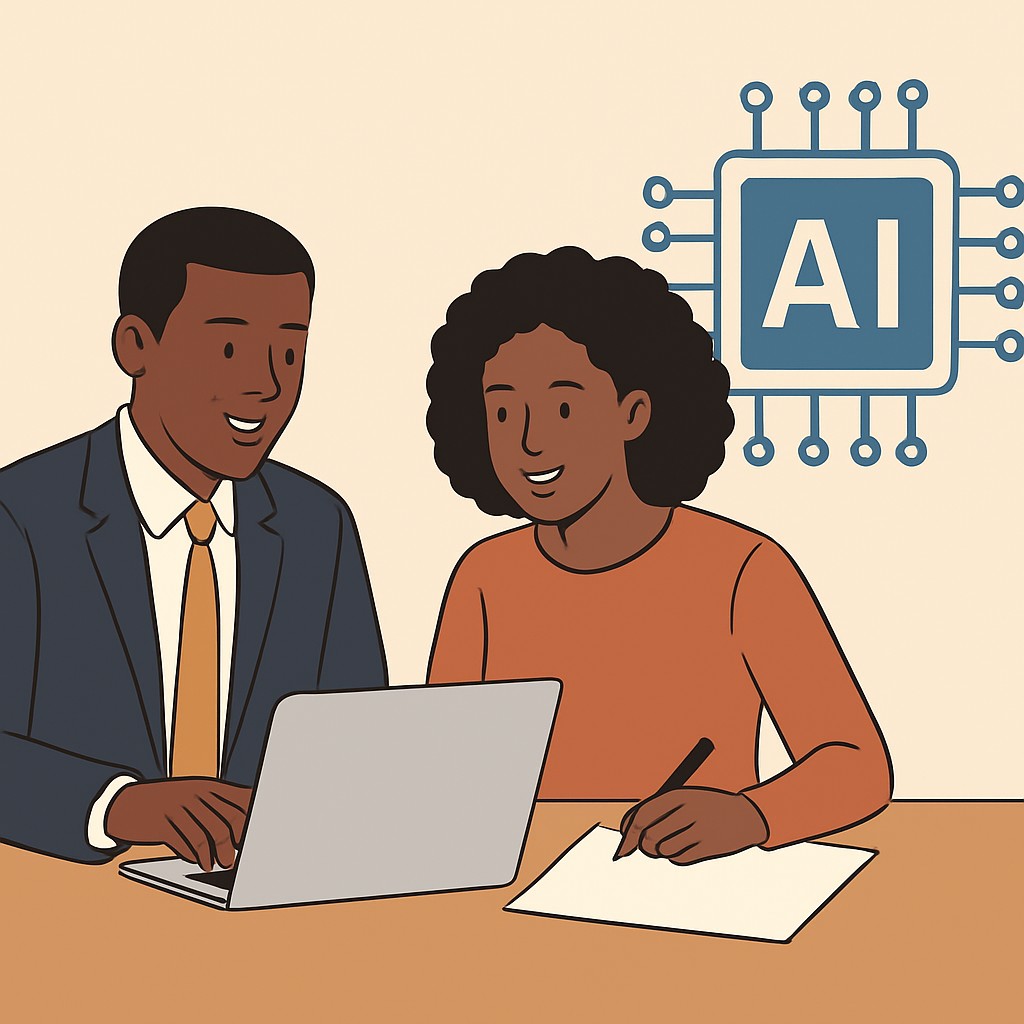
Case Studies of Successful AI-Driven Educational Platforms in Nigeria
Umoja Learning: Bridging Educational Gaps
Umoja Learning focuses on improving access to quality education across Nigeria.
The platform uses AI to personalize learning experiences for each student.
It analyzes student performance and adapts content to individual needs.
Moreover, it employs natural language processing to support multiple Nigerian languages.
This feature enhances understanding for students in rural and urban areas alike.
Teachers also benefit from AI-driven insights that guide lesson planning.
Furthermore, Umoja Learning collaborates with local schools to ensure curriculum alignment.
It has reached over 500,000 students since its launch.
Consequently, academic performance has improved significantly in participating districts.
EduSense: Leveraging AI for Interactive Learning
EduSense offers an AI-powered platform that encourages interactive and engaging learning.
The system integrates AI tutors that respond instantly to student queries.
It uses machine learning to identify knowledge gaps and suggest targeted exercises.
Additionally, EduSense supports remote learning through mobile and desktop applications.
The platform’s AI recommends learning paths based on student progress and preferences.
Teachers receive detailed analytics to monitor class engagement and comprehension.
EduSense partners with Lagos State education authorities to roll out digital classrooms.
It currently supports over 200 schools and more than 300,000 students.
Hence, EduSense helps reduce dropout rates by maintaining student interest and motivation.
BrightPath Academy: AI for Skill Development
BrightPath Academy focuses on vocational and technical skill enhancement using AI.
The platform offers personalized training modules tailored to each learner’s pace.
It uses AI-driven simulations for practical skill acquisition in fields like coding and engineering.
BrightPath integrates AI to assess competency and recommend improvement areas precisely.
It collaborates with Nigerian tech companies to align training with market demands.
Through AI analytics, it tracks learner progress and employment outcomes effectively.
The platform has successfully trained over 50,000 youths since inception.
Moreover, BrightPath’s AI tools help learners transition smoothly into Nigeria’s workforce.
Key Factors Behind AI Platforms’ Success in Nigeria
- Localized content that respects cultural and linguistic diversity.
- Partnerships with government and educational institutions.
- Focus on scalability to reach underserved and remote communities.
- Continuous improvement through user feedback and AI data insights.
- Incorporation of mobile accessibility to accommodate widespread smartphone usage.
Collectively, these factors drive widespread adoption of AI-driven education solutions.
They also empower Nigerian students with personalized, effective learning opportunities.
Emerging Technologies Shaping AI in Nigerian Education
Adaptive Learning Systems
Adaptive learning systems customize educational content for individual students.
Nigerian platforms like EduNaira are already integrating such AI solutions.
Consequently, learners receive personalized feedback and targeted support faster.
Natural Language Processing for Local Languages
Natural Language Processing enables AI to understand and use Nigerian dialects.
Companies such as KultureTech work on translating educational materials effectively.
Thus, AI bridges language barriers, making learning more inclusive nationwide.
AI-Powered Assessment and Analytics
AI systems analyze student performance data to identify learning gaps.
Firms like BrightPath Analytics offer tools for real-time progress tracking.
As a result, educators can tailor interventions to improve student outcomes.
Opportunities for Expanding AI Integration
Enhancing Accessibility in Rural Regions
AI-driven mobile platforms provide educational services to remote Nigerian communities.
For example, LearningBridge collaborates with local networks to reach underserved areas.
Therefore, more students gain access to quality education despite infrastructural challenges.
Incorporating AI into Teacher Training
AI systems assist in upskilling teachers with personalized professional development.
Institutes like the Nigerian Teachers Hub partner with AI startups for training programs.
Consequently, teachers improve pedagogical methods using data-driven insights.
Fostering Industry-Education Collaboration
AI creates platforms for collaboration between tech companies and educational institutions.
Platforms such as EduConnect Nigeria enable partnerships for content and resource sharing.
This synergy helps align curricula with evolving workforce needs effectively.
Challenges and Strategies for Adoption
Addressing Infrastructure Limitations
Reliable internet and electricity remain critical barriers to AI adoption in Nigeria.
Initiatives led by organizations like VoltRenew focus on sustainable power solutions.
Moreover, investments in network expansion will accelerate digital education delivery.
Ensuring Data Privacy and Ethics
Protecting student data is essential for maintaining trust in AI technologies.
Regulatory bodies like the Nigerian Data Protection Commission enforce compliance and standards.
Additionally, ethical AI design minimizes biases and respects cultural values within education.
Promoting Awareness and Digital Literacy
Many educators and students require training to effectively use AI tools.
Government programs such as LearnTech Initiative emphasize digital literacy development.
Hence, awareness campaigns increase acceptance and reduce resistance to new technologies.
Future Prospects for AI-Driven Education in Nigeria
Scaling Customized Learning Experiences
As AI improves, platforms will offer increasingly tailored learning paths for students.
Nigerian startups like SmartClass AI are pioneering scalable, adaptable curricula.
Therefore, education quality is expected to rise significantly across diverse demographics.
Leveraging AI for Lifelong Learning
AI enables continuous skill development beyond traditional schooling years.
Platforms such as SkillUp Nigeria focus on adult education and vocational training.
This approach supports workforce readiness and economic growth in the digital age.
Government Policies Supporting Innovation
The Nigerian government actively promotes AI adoption through education technology policies.
Initiatives like the National AI Strategy encourage public-private collaborations.
Such policies create an enabling environment for sustainable educational transformation.
Steps to Develop and Deploy an AI-Driven Educational Platform from Scratch
Conducting Market Research and Needs Analysis
Begin by analyzing the current educational technology landscape.
Identify gaps where AI can add value for learners and educators.
Engage with teachers, students, and administrators to understand pain points.
Use surveys and focus groups to collect detailed user requirements.
Furthermore, analyze competitors like LuminaLearn and EduNext for inspiration.
Defining Project Scope and Objectives
Clearly outline the platform’s primary goals and target audience.
Decide on key functionalities such as personalized learning paths and real-time assessments.
Set measurable success criteria to evaluate progress later.
Also, allocate resources including budget, development team, and technology stack.
Designing the Platform Architecture
Create a scalable and modular system architecture to support AI components.
Choose between cloud-based or on-premises hosting according to needs.
Incorporate APIs for integration with external learning management systems.
Additionally, plan for data storage, processing, and security protocols.
Developing AI Models and Algorithms
Collaborate with AI specialists like Dr. Ariana Patel to design adaptive learning models.
Collect high-quality datasets representing various learner profiles.
Train algorithms for content recommendation, performance prediction, and automated grading.
Continuously test and refine models to improve accuracy and fairness.
Building User Interface and Experience
Design intuitive interfaces accessible on multiple devices including tablets and smartphones.
Focus on clear navigation to enhance learner engagement and retention.
Implement accessibility features for users with disabilities.
Conduct usability testing with a pilot group from Sunrise Academy to gather feedback.
Integrating AI Features with Platform Components
Ensure seamless communication between AI modules and the user interface.
Enable real-time adaptability of content based on learner interactions.
Provide educators with actionable insights through dashboards and reports.
Moreover, maintain system responsiveness to support concurrent users.
Testing and Quality Assurance
Conduct functional testing to verify every feature works as intended.
Perform load testing to assess platform performance under heavy demand.
Engage beta testers from local schools such as Willow Creek High School.
Address all reported bugs and usability issues before launch.
Launching and Deploying the Platform
Choose a phased rollout strategy to gradually introduce the platform.
Train educators and administrators on platform usage and AI capabilities.
Set up a dedicated support team to assist users during the initial period.
Gather early user feedback to identify improvement opportunities.
Monitoring Maintenance and Continuous Improvement
Monitor key performance indicators related to user engagement and learning outcomes.
Regularly update AI models with new data to enhance personalization accuracy.
Release periodic software updates to add features and fix issues.
Finally, stay informed about emerging AI trends to keep the platform competitive.
Role of Collaboration between Educators, Developers, and Policymakers in AI Education
Bridging Expertise to Create Effective AI Educational Tools
Educators bring critical insights about learner needs and curriculum goals.
Meanwhile, developers focus on creating intuitive and scalable AI technologies.
Policymakers ensure that regulations foster innovation and protect learners’ rights.
Together, they build AI platforms that are pedagogically sound and technologically advanced.
Furthermore, collaboration helps align AI solutions with educational standards and societal values.
Enhancing Communication and Shared Understanding
Regular communication among stakeholders facilitates mutual learning and trust.
For example, educators explain classroom challenges to developers in user-centered design sessions.
Additionally, policymakers clarify compliance requirements and funding opportunities.
This dialogue reduces misunderstandings and accelerates problem-solving.
Consequently, all parties can respond promptly to emerging educational needs and technological changes.
Developing Inclusive and Equitable AI Educational Systems
Collaboration promotes diversity in AI platform design and content.
Educators highlight the importance of cultural relevance and accessibility.
Developers implement adaptive algorithms to accommodate varied learning styles.
Policymakers advocate for equal access to technology across demographics.
Thus, joint efforts help bridge educational gaps and foster equity for all students.
Strategies to Foster Effective Collaboration
Establishing interdisciplinary teams supports rich exchanges of ideas and expertise.
Organizing workshops and joint training sessions encourages skill sharing and alignment.
Using project management tools improves transparency and coordination among groups.
Encouraging pilot programs allows experimentation and iterative improvements.
Also, recognizing contributions motivates sustained engagement and innovation.
Case Study of Collaborative Success in AI Education
At Neotech Learning Solutions, educators and developers worked closely with education officials.
Together, they co-designed an AI tutoring platform tailored for underserved schools.
The project incorporated teacher feedback to customize lesson pacing and difficulty.
Meanwhile, policymakers secured grants and ensured data privacy compliance.
This collaboration resulted in increased student engagement and measurable learning gains.
Additional Resources
AI-driven career guidance: comparing Nigerian undergraduate and …
We were thrilled to welcome Dr. Omoju Miller, a renowned Nigerian …


