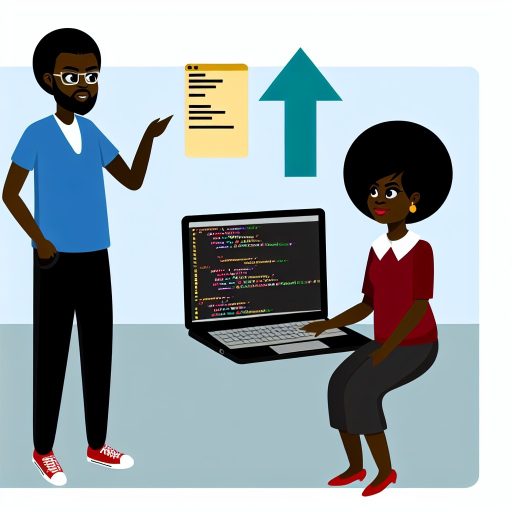




Introduction to Collaboration in Large Programming Projects
Importance of Teamwork in Software Development
Collaboration directs the efforts of diverse developers towards a unified goal.
It ensures that individual skills complement each other effectively.
Moreover, teamwork accelerates problem-solving and innovation within projects.
Consequently, development teams can deliver complex software faster and with higher quality.
Large projects benefit significantly from clear communication and shared responsibilities.
Challenges Addressed by Collaboration
Complex codebases require multiple developers to work simultaneously.
Without collaboration, integrating different parts can lead to errors and inconsistencies.
Also, collaboration helps resolve conflicts in code changes through effective version control.
Furthermore, it aids in distributing workload, preventing burnout among team members.
Therefore, collaboration mitigates risks related to delays and technical debt.
Roles and Coordination in Collaborative Projects
Teams typically assign specific roles such as front-end developer, back-end developer, and tester.
Project managers coordinate tasks to ensure timely progress and goal alignment.
Additionally, tools like Jira and Slack facilitate task tracking and communication.
Developers use code repositories such as GitHub to share and review code collaboratively.
As a result, structured coordination streamlines complex project management.
Unlock Your Unique Tech Path
Get expert tech consulting tailored just for you. Receive personalized advice and solutions within 1-3 business days.
Get StartedImportance of Teamwork and Communication Among Developers
Building Strong Collaboration
Effective teamwork forms the foundation of large programming projects.
Developers must coordinate their efforts to achieve shared goals efficiently.
Collaboration reduces misunderstandings and improves overall productivity.
Moreover, it encourages knowledge sharing among team members.
For example, software engineer Lucas Evans emphasizes daily stand-ups to stay aligned.
These brief meetings help clarify tasks and identify blockers early.
Enhancing Communication Practices
Clear communication fosters transparency within development teams.
Developers should provide timely updates on their progress regularly.
Tools like Slack and Microsoft Teams facilitate real-time conversations.
Additionally, written documentation helps maintain project clarity over time.
Senior developer Mia Chen believes that well-documented code eases future maintenance.
It also assists new team members in understanding complex systems quickly.
Resolving Conflicts Effectively
Open communication channels help address conflicts constructively.
Team members can discuss differing opinions without fear of judgment.
Unlock Premium Source Code for Your Projects!
Accelerate your development with our expert-crafted, reusable source code. Perfect for e-commerce, blogs, and portfolios. Study, modify, and build like a pro. Exclusive to Nigeria Coding Academy!
Get CodeProject manager Rafael Martinez uses mediation techniques to maintain harmony.
This approach prevents tension from escalating and delays being caused.
Ultimately, resolving disagreements strengthens team cohesion.
Promoting Collective Problem-Solving
Collaboration enables developers to tackle challenges collaboratively.
Brainstorming sessions spark innovative ideas and diverse solutions.
For instance, at NovaTech Solutions, cross-functional teams handle critical bugs together.
This synergy accelerates problem resolution and enhances code quality.
Hence, teamwork drives successful project completion under tight deadlines.
Role of Version Control Systems in Facilitating Collaboration
Enhancing Team Coordination
Version control systems help software teams work together efficiently.
They enable multiple developers to contribute to the same project simultaneously.
For example, Meridian Software’s team streamlined workflows using Git.
Additionally, these systems prevent conflicts by managing code changes systematically.
Thus, they preserve the integrity of the project throughout development phases.
Tracking Changes and Accountability
Version control records every change made to the codebase.
This feature allows developers like Rachel Kim to review project history easily.
Moreover, it assigns accountability by linking changes to specific team members.
Consequently, managers can identify who implemented particular features or fixes.
This transparency fosters responsibility and improves overall code quality.
Facilitating Code Review and Quality Control
Code reviews become simpler with version control tools integrated into the workflow.
Teams at Solstice Innovations utilize pull requests to submit code for review.
Reviewers comment directly on changes, promoting clear and focused discussions.
Furthermore, automated testing hooks can run tests on new commits instantly.
These practices enhance quality and reduce bugs before deployment.
Enabling Efficient Branching and Merging
Branching allows developers to work on features independently without disruption.
For instance, Jonathan Reyes’ team handles feature branches to isolate new functionality.
Later, they merge these branches back into the main codebase when ready.
Version control software manages merges and helps resolve conflicts effectively.
Therefore, it supports parallel development without overriding teammates’ work.
Supporting Distributed Development
Modern version control systems like Git support distributed teams across locations.
The engineers at TekNova collaborate seamlessly despite working remotely.
They push and pull updates from central repositories hosted on platforms like GitHub.
This setup ensures everyone stays synchronized regardless of time zones.
As a result, distributed collaboration becomes practical and productive.
Explore Further: Why Building Open-Source Projects Is Great for Networking
Impact of Collaborative Tools and Platforms on Project Efficiency
Enhancing Communication Among Team Members
Collaboration tools streamline communication across distributed teams.
Platforms like Slack and Microsoft Teams facilitate instant messaging and quick updates.
This reduces delays caused by waiting for email responses.
Moreover, video conferencing tools enable face-to-face discussions regardless of location.
Therefore, teams stay aligned on goals and deadlines efficiently.
Centralizing Code Management and Version Control
GitHub and GitLab provide centralized repositories for code storage.
They allow multiple developers to work simultaneously without conflicts.
Pull requests and code reviews improve code quality through peer feedback.
Continuous integration tools automatically test code changes and prevent errors.
Thus, these platforms save time and reduce bugs in large projects.
Facilitating Task Tracking and Project Coordination
Project management tools like Jira and Trello organize tasks and milestones clearly.
Team members can easily track progress and update statuses in real time.
This transparency helps project leads identify bottlenecks early.
Consequently, teams allocate resources more effectively to meet deadlines.
Encouraging Knowledge Sharing and Documentation
Wiki platforms and document-sharing services centralize project knowledge.
They enable developers to access guidelines, APIs, and best practices anytime.
Additionally, collaborative editing tools enhance real-time document updates.
Therefore, teams avoid duplicated efforts and improve onboarding efficiency.
Boosting Motivation and Team Cohesion
Social features in collaborative tools foster informal interactions among developers.
These interactions build trust and a strong sense of shared purpose.
Recognition and feedback features also encourage continuous improvement.
As a result, team morale rises, positively impacting productivity.
Find Out More: The Importance of Real-World Projects in Learning to Code
How Division of Labor Improves Productivity and Code Quality
Enhancing Efficiency Through Specialized Roles
Division of labor enables team members to focus on their strengths.
For example, Emily, a front-end developer, concentrates solely on user interfaces.
Meanwhile, Raj, a back-end engineer, optimizes server-side performance.
This clear role separation prevents task overlap and reduces bottlenecks.
Consequently, teams like Solaris Interactive deliver features more rapidly and reliably.
Improving Code Quality with Focused Expertise
Specialization allows developers to deepen their technical skills.
For instance, Mia takes charge of writing robust security protocols.
At the same time, Lucas refines database queries for maximum efficiency.
Focused efforts lead to cleaner, better-tested, and maintainable code.
Therefore, systems built by companies such as Nimbus Solutions exhibit fewer bugs.
Facilitating Clear Communication and Collaboration
Dividing work fosters clearer communication channels among specialists.
Project managers like Sofia coordinate tasks to align team objectives.
Developers share progress regularly using collaboration tools like Jira.
This process minimizes misunderstandings and accelerates problem-solving.
Hence, teams at Vertex Innovations maintain steady momentum and high morale.
Managing Complex Projects Through Modular Design
Breaking down large projects into modules simplifies development.
Each module, assigned to a specific team, can progress independently.
For example, the analytics team at Meridian Labs handles data processing separately.
Meanwhile, the UI team focuses on improving user engagement features.
This modular approach ensures better integration and testing phases.
Leveraging Diverse Perspectives to Enhance Solutions
Diverse teams bring varied ideas and innovative approaches.
Collaboration among specialists like hardware engineer Kyle and software architect Ava produces breakthroughs.
They identify potential flaws early and optimize system design creatively.
The result is robust, scalable software that meets client expectations effectively.
Therefore, division of labor not only boosts productivity but also elevates overall code quality.
Explore Further: The Role of Feedback in Improving Programming Projects
Challenges Faced During Collaboration
Communication Barriers
Team members often come from diverse backgrounds and locations.
They may use different terminology and have varying communication styles.
This diversity can cause misunderstandings and delays in decision-making.
Moreover, asynchronous communication adds complexity to coordinating tasks.
Consequently, some information may be lost or misinterpreted in messages.
Integration of Code
Combining code written by multiple developers is often challenging.
Different developers might follow inconsistent coding standards.
This inconsistency increases the risk of conflicts when merging code.
Additionally, integrating various modules can lead to hidden bugs.
Therefore, thorough testing and review processes become essential.
Managing Project Scope and Deadlines
Large projects may experience shifting requirements over time.
Conflicting priorities can cause teams to struggle with deadlines.
Resource availability might also fluctuate throughout the project.
These factors lead to delays and reduced team motivation.
Hence, clear scope definition and deadline management are critical.
Strategies to Overcome Collaboration Challenges
Effective Communication Practices
Teams should establish standardized communication protocols early on.
Regular meetings help keep everyone aligned and informed.
Using collaborative tools like Slack or Microsoft Teams facilitates quick interaction.
Additionally, documenting key decisions provides a reliable reference.
Encouraging open feedback promotes transparency and trust among members.
Adopting Consistent Coding Standards
Implementing style guides ensures consistency across codebases.
Tools like ESLint or Prettier automate code formatting and error detection.
Conducting code reviews helps maintain quality and fosters knowledge sharing.
Pair programming can also reduce integration errors early on.
These practices lead to smoother merges and fewer conflicts.
Project Management and Scope Control
Using agile methodologies helps teams adapt to changing requirements.
Project managers should prioritize tasks based on business value and deadlines.
Tools like Jira or Trello offer visibility into progress and upcoming work.
Breaking down tasks into smaller, manageable units improves focus and delivery.
Consistent monitoring and adjustment keep the project on track.
Uncover the Details: Innovative Projects Nigerian Coders Can Build to Impress Employers

Case Studies Highlighting Successful Collaborative Programming Projects
Development of OpenStream Video Platform
The OpenStream project united developers across three continents.
MegaPixel Media sought to build a scalable video streaming service.
They assembled a team of experts in backend, frontend, and cloud infrastructure.
Each group collaborated closely through daily virtual stand-ups and shared code repositories.
The team adopted agile practices to manage complex functionalities.
OpenStream launched ahead of schedule with robust performance.
The collaborative effort led to rapid feature integration and bug resolution.
Knowledge sharing sessions enhanced cross-team understanding.
This project demonstrated how global cooperation achieves ambitious software goals.
Financial Analytics Platform by QuantumLedger
QuantumLedger developed a cutting-edge analytics platform using collaborative methods.
The company formed specialized pods focused on data science, UI design, and security.
Regular sync meetings ensured seamless integration of each pod’s contributions.
Pair programming encouraged mentorship and reduced code defects.
The platform processed large datasets efficiently due to coordinated optimization efforts.
Transparent communication tools prevented misunderstandings among dispersed teams.
QuantumLedger delivered a competitive product within tight deadlines.
The success highlighted the importance of combining diverse skill sets through collaboration.
SmartHome IoT Software by Nexus Technologies
Nexus Technologies created a smart home control system with a distributed development team.
The engineers collaborated via a modular architecture design approach.
Each module was assigned to teams specializing in sensors, cloud integration, or mobile apps.
Cross-team workshops helped resolve interface discrepancies quickly.
Automated testing pipelines ensured high code quality.
This collaborative environment fostered innovation and accelerated troubleshooting.
Nexus Technologies delivered a reliable, user-friendly IoT solution.
The project underscored how teamwork drives complex embedded software development.
Best Practices for Fostering a Collaborative Development Environment
Creating Clear Communication Channels
Effective communication forms the backbone of any collaborative development team.
Teams should establish dedicated platforms like Slack or Microsoft Teams for real-time messaging.
Moreover, regular video conferences help clarify complex ideas and maintain team cohesion.
Project managers like Elena Martinez emphasize transparency in sharing updates and feedback.
Additionally, documenting decisions in shared tools prevents misunderstandings.
Implementing Version Control and Code Review Processes
Using version control systems such as Git enables team members to work simultaneously.
For example, ClearDay Technologies mandates pull requests before merging code changes.
This process encourages thorough code review and higher quality standards.
Furthermore, it reduces conflicts by keeping a clear history of modifications.
Leads like Rajiv Patel ensure every team member participates actively in peer reviews.
Encouraging Shared Ownership and Responsibility
Collaborative projects benefit when developers share ownership of the entire codebase.
At NeoSphere Solutions, engineers rotate responsibilities to broaden their expertise.
Such practices motivate contributors to maintain high standards universally.
Moreover, they foster a sense of accountability beyond individual modules.
Managers like Sophia Lam advocate for recognizing collective achievements regularly.
Promoting Knowledge Sharing and Continuous Learning
Teams should organize technical workshops and brown-bag sessions frequently.
For instance, Mapletree Software schedules weekly knowledge exchanges encouraging open dialogue.
Also, having mentorship programs pairs junior developers with experienced engineers effectively.
This approach accelerates skill development and builds trust within the team.
Additionally, shared documentation repositories ensure resources remain accessible to all members.
Utilizing Collaborative Tools Effectively
Adopting integrated project management tools like Jira streamlines task tracking.
GivenPoint Labs emphasizes using shared boards to visualize progress and bottlenecks.
Furthermore, cloud-based IDEs enable simultaneous code editing and debugging sessions.
These tools reduce friction and keep everyone aligned on project goals.
Lastly, automated testing and continuous integration pipelines increase development speed and reliability.
The Future of Collaboration in Software Development with Remote Teams
Advancements in Communication Technologies
Remote teams benefit greatly from evolving communication tools.
Platforms like Synapse Connect enable real-time code collaboration.
Moreover, video conferencing software such as ClearVision keeps teams connected visually.
These advancements reduce misunderstandings and accelerate decision-making.
Consequently, developers like Elena Marquez at NeonTech leverage these tools effectively.
Embracing Agile Practices Across Distances
Agile methodologies remain vital for coordinating remote teams.
At CodePulse Innovations, scrum meetings happen daily via remote channels.
As a result, teams respond rapidly to changing requirements.
Additionally, sprint planning and retrospectives occur seamlessly online.
Therefore, continuous integration pipelines help maintain code quality despite geographic dispersion.
Building a Strong Remote Culture
Fostering trust and camaraderie among remote developers is essential.
Leaders like Amir Patel at BlueWave Solutions prioritize regular one-on-one check-ins.
Furthermore, virtual team-building activities strengthen interpersonal bonds.
Such efforts reduce feelings of isolation and improve overall productivity.
Ultimately, a positive culture promotes sustained collaboration over time.
Role of AI and Automation in Enhancing Collaboration
Artificial intelligence tools increasingly support remote software development.
For instance, AI-driven code review assistants speed up feedback cycles.
Companies like Horizon Labs implement automation to streamline testing processes.
Consequently, developers focus more on creative problem-solving than repetitive tasks.
Thus, AI integration maximizes efficiency on distributed teams.
Addressing Challenges and Leveraging Opportunities in Remote Collaboration
Despite progress, remote collaboration faces challenges like timezone differences.
Organizations such as TerraForge Studios use asynchronous workflows to address timing issues.
Also, cybersecurity remains a top priority for protecting intellectual property.
Investing in secure infrastructure helps safeguard remote development environments.
In doing so, teams unlock new opportunities for global innovation and talent inclusion.
Benefits of Teamwork in Large-Scale Programming
Enhanced Problem Solving and Innovation
Collaboration brings diverse perspectives to complex programming challenges.
This diversity encourages innovative solutions that individuals might overlook.
Moreover, team members build on each other’s ideas to improve code quality.
Improved Efficiency and Productivity
Working together allows developers to divide tasks based on expertise.
Consequently, projects advance faster with parallel workflows and reduced bottlenecks.
In addition, collaboration minimizes redundant efforts and coding errors.
Knowledge Sharing and Skill Development
Teams foster an environment where members exchange valuable skills and insights.
New programmers learn quickly through mentorship from experienced colleagues.
This continuous learning strengthens the overall capability of the development team.
Effective Communication and Coordination
Regular collaboration ensures all team members stay aligned with project goals.
Clear communication reduces misunderstandings and clarifies responsibilities.
As a result, integration of code modules proceeds smoothly and reliably.
Greater Accountability and Motivation
When developers collaborate, they feel more accountable to their peers.
This accountability drives higher commitment to deadlines and quality standards.
Furthermore, teamwork fosters motivation through shared success and encouragement.
Collaboration amplifies strengths and balances weaknesses in large projects.
It transforms individual efforts into collective achievements that surpass expectations.
Therefore, fostering teamwork remains essential for completing complex programming tasks.
Additional Resources
Research Grants on Education: Large | The Spencer Foundation